
Font Size:

Breaker box basics: Protecting your home from overloads
Your home’s breaker box may not be something you think about every day, but it’s one of the most important safety features in your home. SCI REMC reminds members to understand how their breaker panel works and to recognize the warning signs of electrical overloads.
When too much electricity runs through a circuit, the breaker is designed to trip. That quick action shuts off power and prevents wires from overheating, which could otherwise lead to a fire.
Warning signs of overloaded outlets or circuits include:
If you notice any of these issues, check your breaker panel, usually located in the basement or garage. A tripped breaker will be in the “off” or middle position. To reset it, switch it fully to “off,” then back to “on.”
Knowing which rooms and appliances are on each circuit can save time and stress when something trips. SCI REMC suggests members take a few minutes with a notepad to map out circuits and label the breaker panel.
Extension cords may be a quick fix when outlets are limited, but heavy reliance on them often means a home needs additional outlets installed by a licensed electrician.
Source: Electrical Safety Foundation International
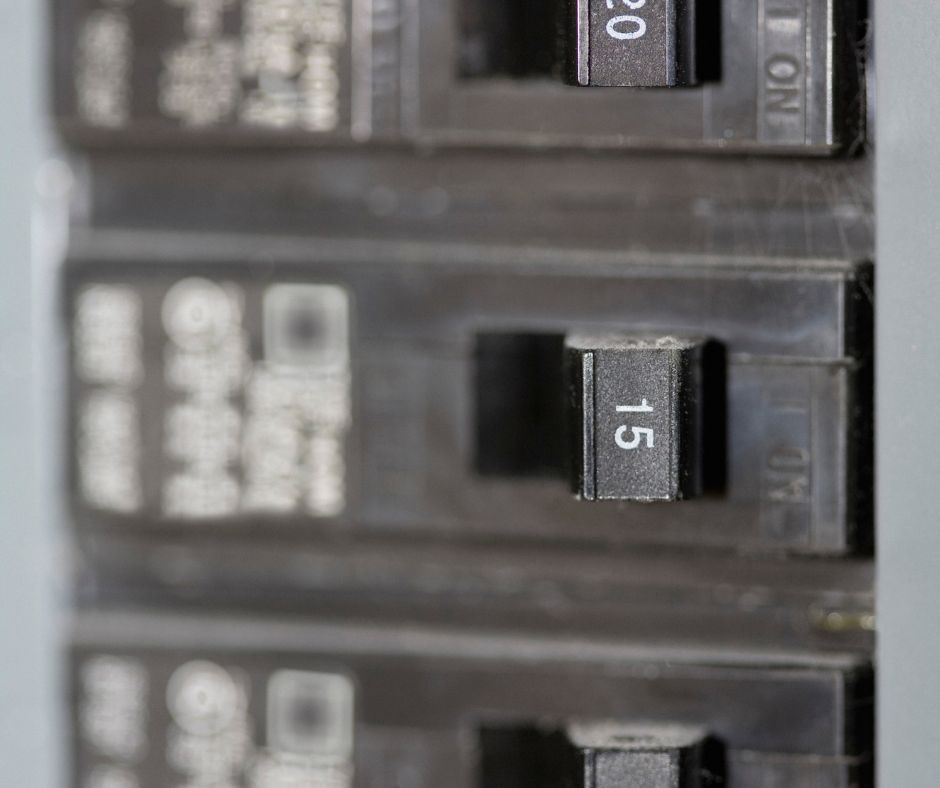
When a breaker trips, your electrical system is doing its job to protect you from an overload. Here’s how to safely reset it:
If the same breaker keeps tripping, call a licensed electrician to investigate.
Source: Electrical Safety Foundation International
Extension cord safety 101
Extension cords are meant for temporary use. Using extension cords correctly can reduce the risk of overheating and fire.
Keep these tips in mind:
Source: Electrical Safety Authority, Complete Electrical Solutions