
Font Size:

Each season brings new opportunities and new weather concerns for Hoosiers. A winter day in Indiana can bring heavy snow, freezing rain, ice storms, and strong winds. These forms of winter weather can create electrical hazards.
It’s important for Hoosiers to make sure they’re taking steps to be safe around electricity all year long, regardless of the weather outside. During winter, when snow and ice accumulation on power lines may cause them to snap or lead to poles breaking, people need to be particularly mindful of the dangers of live power lines.
Power Line Safety
Here are some things to keep in mind with power lines and winter weather:
Safety kits for your home and vehicle 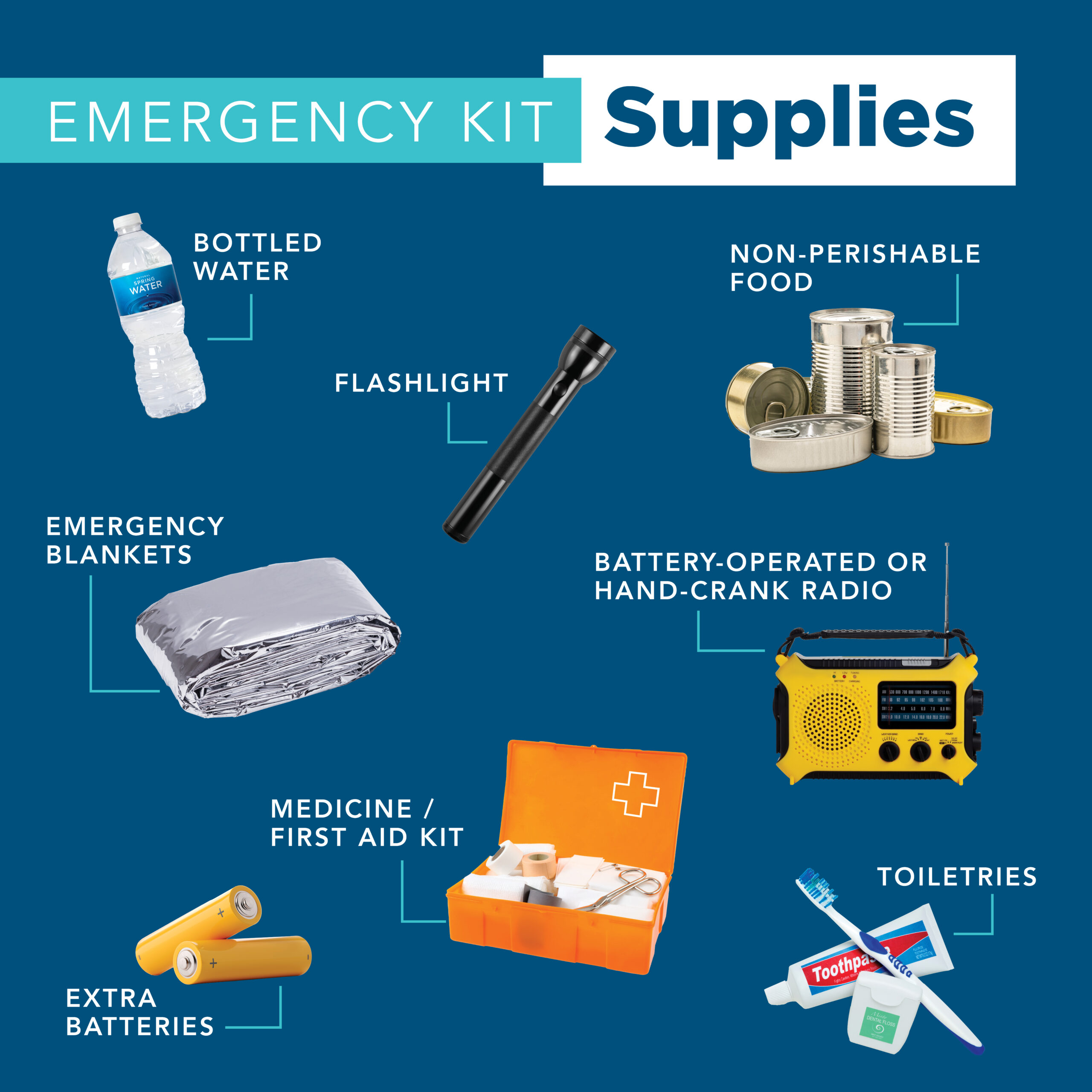
It’s helpful to have winter storm safety kits for your home and on the go. You never know when you might be stuck at home for days, possibly some of that time without power, or get stranded on the roadway.
For your at-home kit, you will want at least two weeks of supplies, including:
For your vehicle, consider preparing a go-kit with at least three days of supplies to get you through the winter with these items:
If you lose power
During a winter storm, you may find yourself without power at home. If so, try to keep warm air in and cool air out by not opening doors to unused rooms and only opening doors to the outdoors if absolutely necessary.
Another thing to keep in mind with an extended outage is food safety. If the refrigerator reaches temperatures above 40 F, foods can become unsafe. You can help keep foods colder longer by leaving the refrigerator and freezer doors closed as much as possible.
Sources: American Red Cross, Ready.gov, Electrical Safety Foundation
Learning the following skills can help prepare you for winter emergencies.
Source: American Red Cross
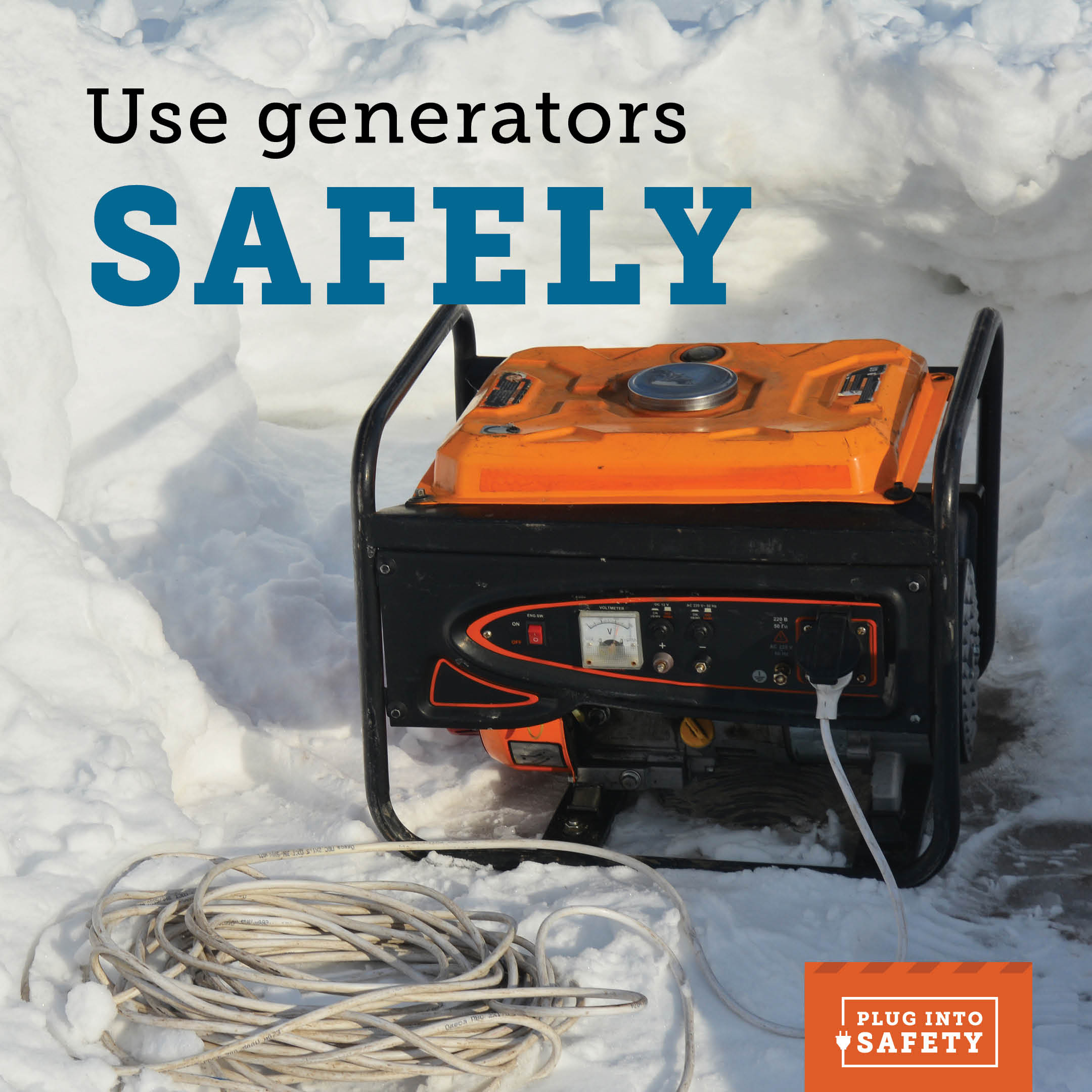
If you have a generator, you know it can be helpful when you lose power. However, knowing how to safely use it to prevent carbon monoxide (CO) poisoning and other hazards is important.
Sources: Ready.gov