
Font Size:


Don’t underestimate the risk of overloads
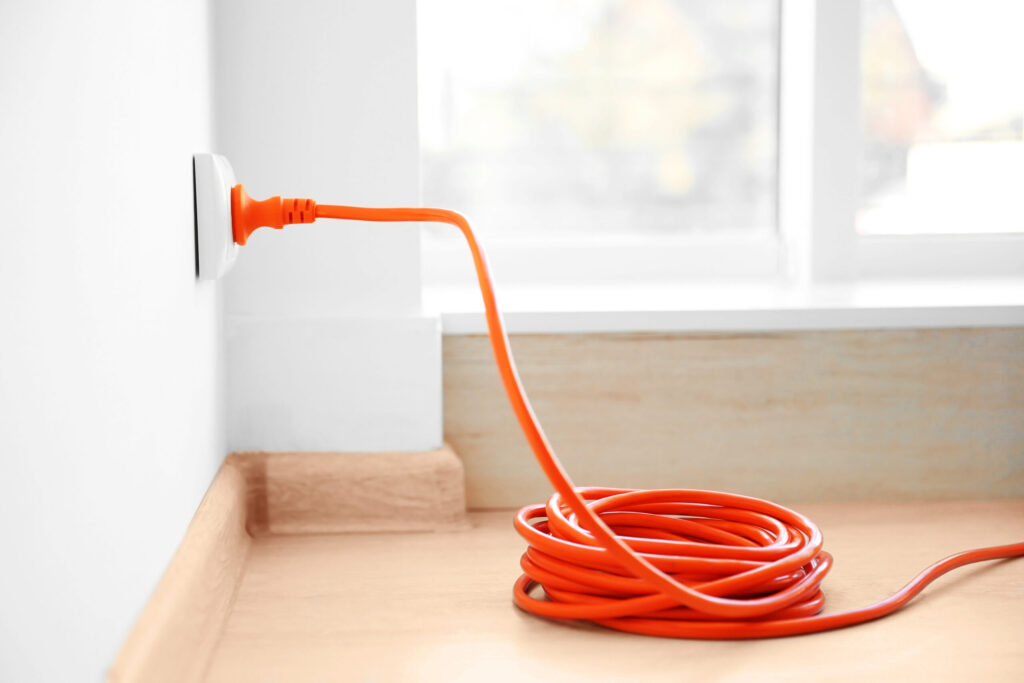
It’s a common problem for most of us: relying on a handy dandy extension cord since we have so many devices and not enough outlets to plug them all into. But we at South Central Indiana REMC warn you for safety’s sake, extension cords should only be used short-term.
Why is that a potential problem? Electrical overloads can occur when your home draws more electricity than a circuit can safely handle. When a circuit receives too much electricity, it causes the circuit breaker to trip. That shuts power off to the entire circuit.
Breakers are critical components to the circuit’s safety. If there were no breaker in the circuit, an overload would occur, causing the wires to overheat. That could lead to a fire.
There are several signs which could indicate whether circuits in your home are overloaded. Among them:
If any of these things are occurring, head to your circuit panel. It’s usually located in the basement or garage. Check to see if any of the switches in the panel have been tripped or partially tripped. Turn them off — then back on again.
Knowing what is on each circuit will help you navigate possible overloads in the future. SCI REMC suggests consumers grab a notepad and pencil to map their home’s circuits. Do this before potential problems occur. You’ll be glad you took the time to familiarize yourself with the circuit panel ahead of time.
How to reset a tripped breaker
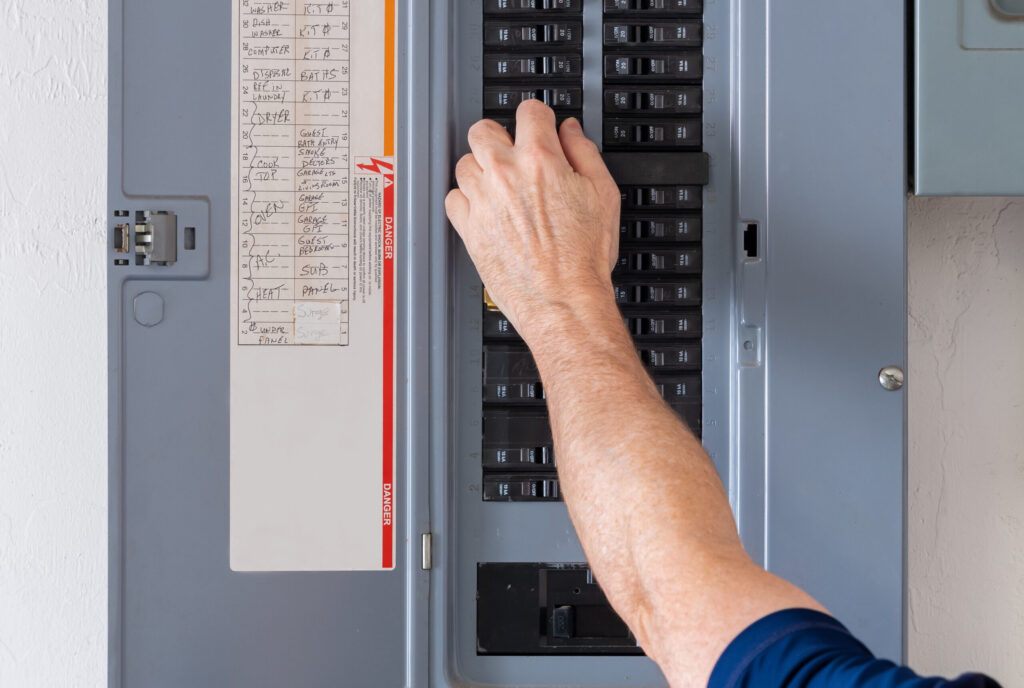
Many of us understand how to operate our personal electronics, but what about your home’s breaker box? Here’s what to do if your breaker is tripped:
1. Unplug or turn off appliances in the room.
2. Find your main breaker panel and open the cover.
3. Locate the tripped breaker or blown fuse. A tripped circuit breaker will be in the “off” position or in a middle position between “on” and “off.”
4. To reset the breaker, switch it to the “off” position and then back to “on.”
If the problem persists, there may be more serious issues. Contact a licensed electrician to identify the problem.
Source: Electrical Safety Foundation International
Extension cord safety 101
Source: Electrical Safety Authority, Complete Electrical Solutions