Font Size:

We know power outages are frustrating, and waiting for service to be restored can feel even more stressful, especially during large outages that affect many members. While it may sometimes look like the problem is just a tree limb or a single issue near your home, outages are often caused by multiple problems along the electric system.


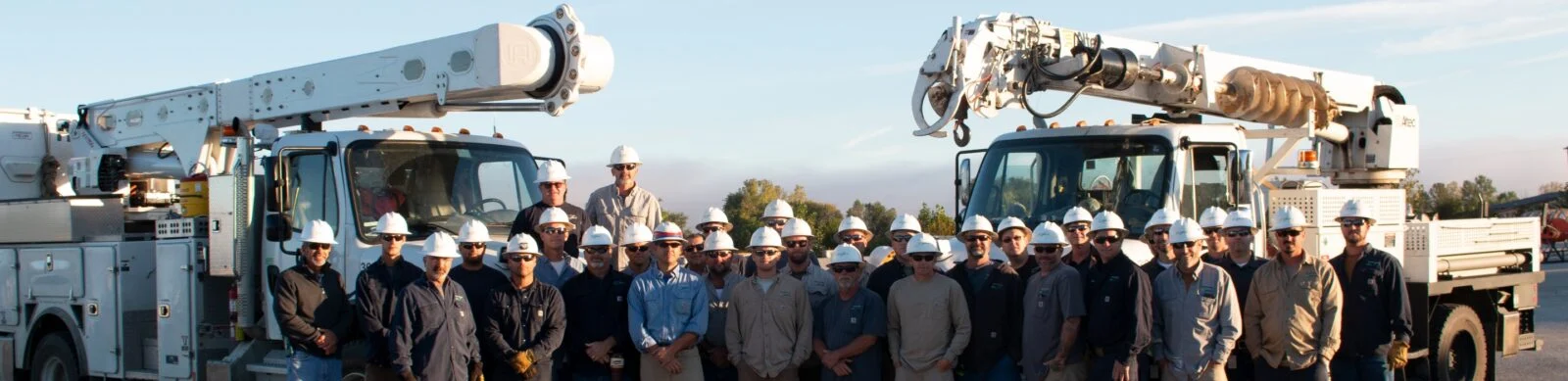
SCI REMC prepares in advance when inclement weather threatens our 7-county service territory. Our team tracks the path of the storm(s) to identify parts of our system that may be affected. This allows SCI REMC to coordinate crews to assist with restoring service to our members. Based on the severity, we also determine if additional assistance is needed from fellow cooperatives or contract crews. SCI REMC is a not-for-profit cooperative, and our purpose has always been — and will always be — to provide reliable and affordable service to our members.
If you experience an outage, please don’t assume SCI REMC knows your power is out if you have not reported it or received a TextPower outage notification. The data and details provided by our members help us analyze the outage to find the location and cause.
We hope you never have an outage, but with Indiana weather and living in some of the most forested counties in the state, it’s best to be prepared! SCI REMC has several ways to report an outage including online, text, phone, and through the SCI Connect App.
Please visit our severe weather page for storm preparedness and checklists. We encourage all members to have a plan for extended outage situations.
If you have a medical condition that requires electrical equipment, always have a backup plan in place. This plan could include a portable generator, extra medical supplies, or moving to an alternate location until power is restored. SCI REMC cannot guarantee priority restoration. If you plan to use a generator for backup power, read all safety information and instructions before use. Members can also contact Indiana 211 to find local resources that may be of assistance. Please visit our life-supporting equipment page for more information.
If you plan to use a generator for backup power, please review all safety information and instructions before use. To learn more, please visit Using Portable Generators: 10 Do’s and Don’ts.
SCI REMC does not reimburse for losses caused by events outside our control, including power outages caused by storms. We recommend that members work with their insurance provider for reimbursement of personal losses.
When SCI REMC responds to an outage, we use system data and information relayed from our crews to estimate when we will be able to restore power for members. The estimates are based on available information; the outage duration could extend past the initial estimate as conditions change. During widespread outages, predicting restoral times is very difficult due to the variety of damage crews encounter, including pole replacements, removing trees from lines, and clearing roadways/paths to access an outage. This presents a challenge for us because we know members want restoration times (and we want to provide them); however, we also know that inaccurate information is frustrating in an outage situation.
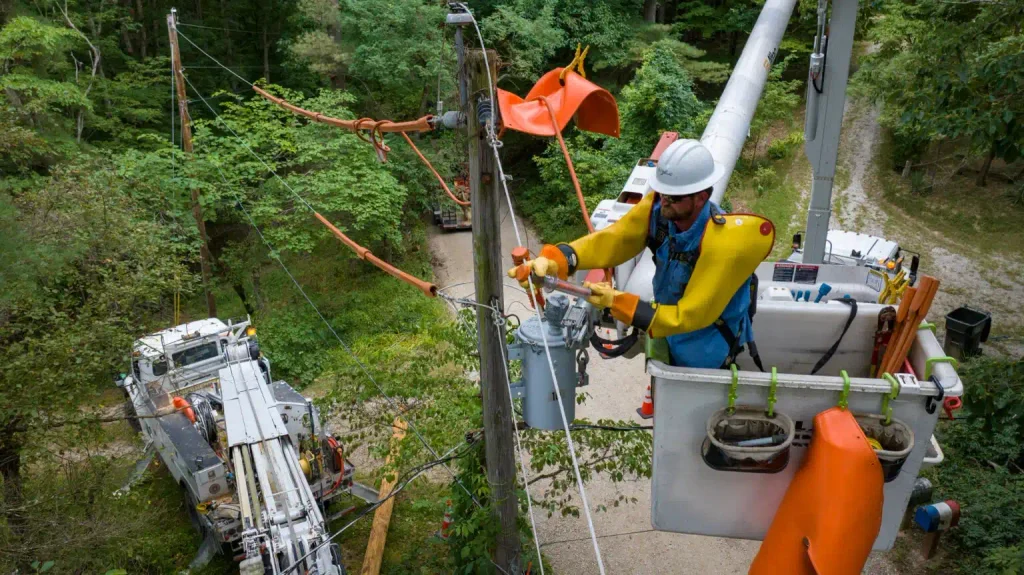
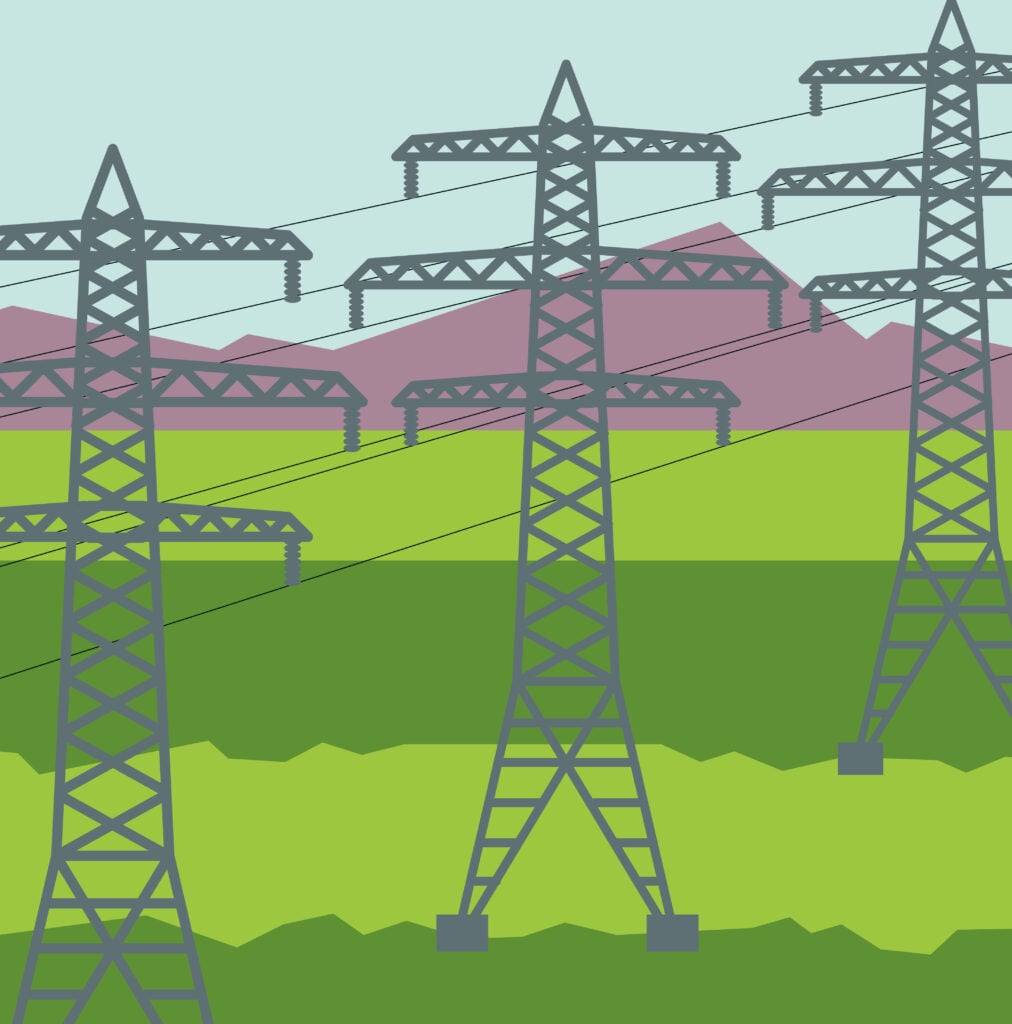
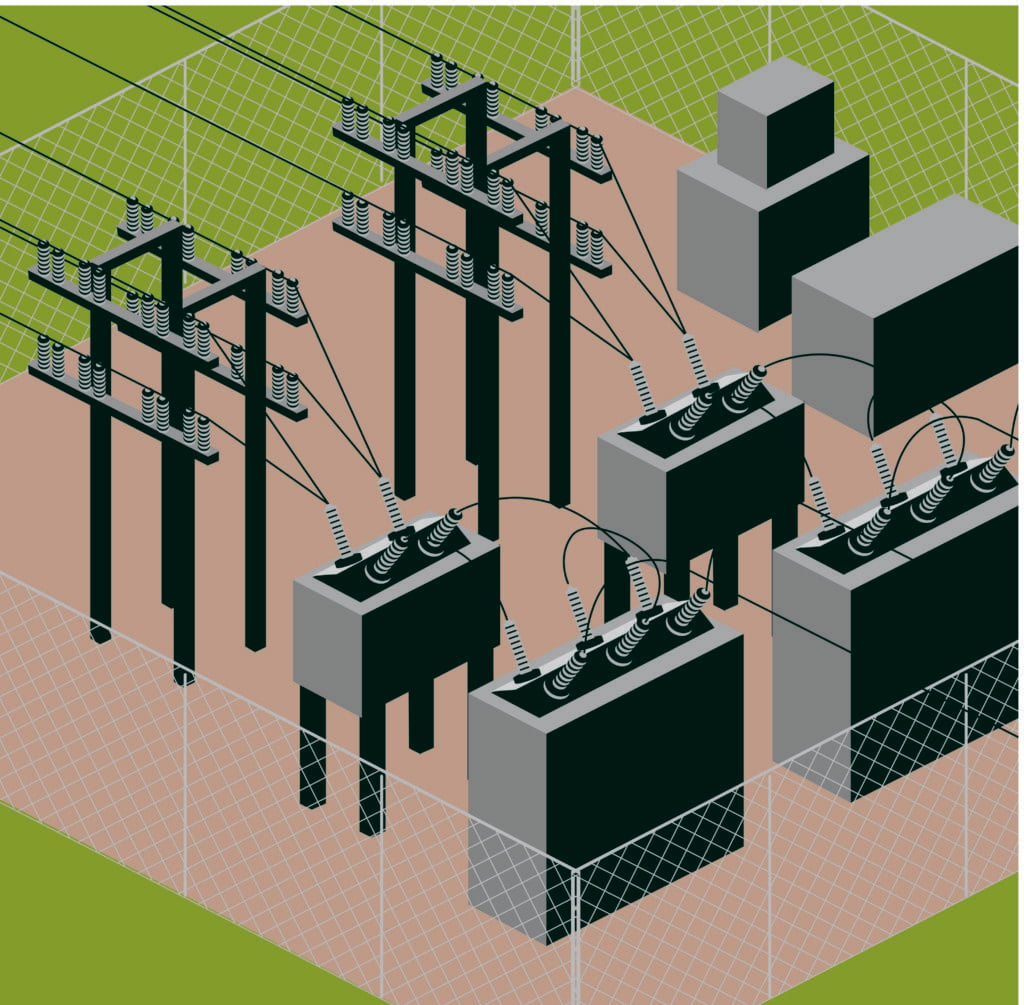
SCI REMC works to restore your power as efficiently and safely as possible. When the lights go out, and it’s safe for our crews to begin the restoration process, they start by addressing any emergencies and then repairing power lines and equipment that will restore power to the greatest number of people in the shortest time possible. This process typically begins with repairs to the larger main distribution lines that service a great number of homes and businesses. After those repairs are made, crews work on tap lines, which deliver power to transformers, either mounted on utility poles (for above-ground service) or placed on pads (for underground service). Finally, individual service lines that run between the transformer and the home are repaired.
SCI REMC crews do not remove tree debris for unplanned tree trimming during an outage or after a storm. Our crews will make the area safe but must move on to their next job to restore power to all members. The member is responsible for debris removal.
The usage notifications some types of accounts receive are from our system estimating your usage. If you are experiencing an outage at your residence, then there will not be usage. Once your service is restored and we can get an accurate reading, then your account will adjust to reflect the updated information.