
Font Size:

No one likes power outages, but they’re unavoidable, and that’s where generators come in – they keep the lights on until utility crews restore power. However, if not used correctly, generators can pose serious safety risks, not just to you and your home but also to others, including the lineworkers working to restore your power.
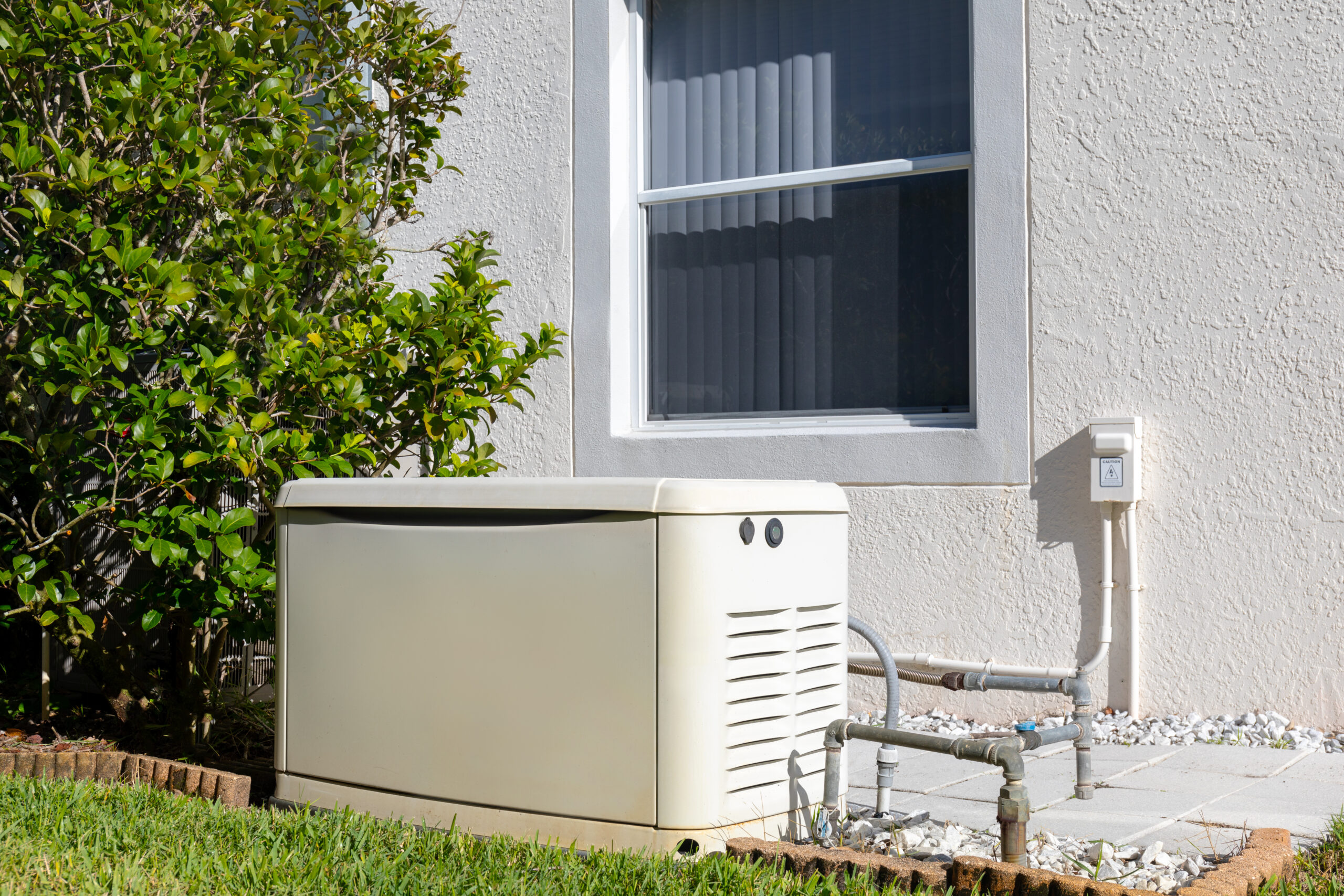
Total home backup generators power central air conditioning and electric heating systems. It automatically starts during power outages and handles the entire home’s electrical needs but is the most expensive option and requires professional installation.
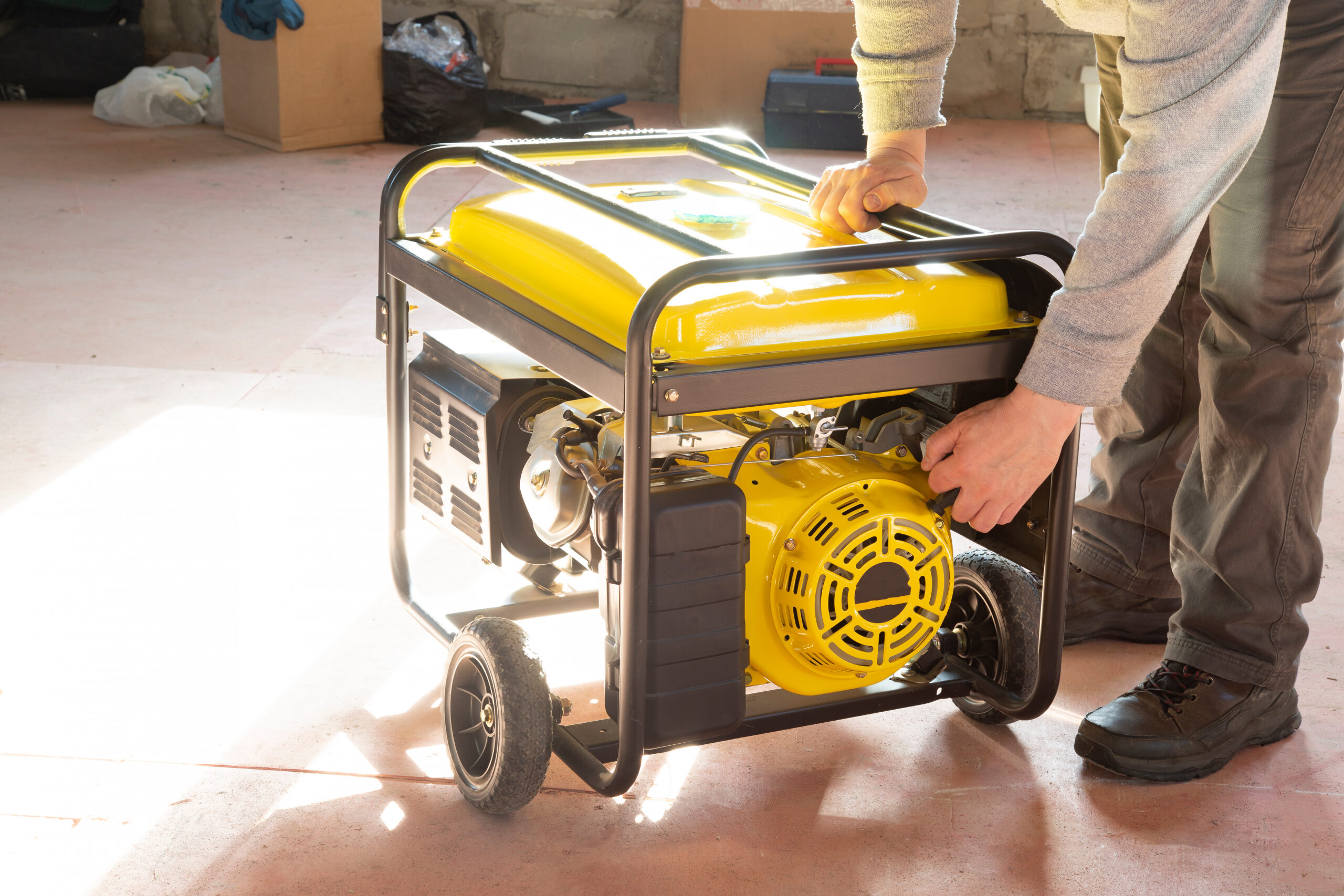
Portable generators provide temporary power during outages, making them ideal for homes, job sites, and outdoor activities. They run on gasoline, propane, or diesel and can power lights, medical devices, and essential appliances, like refrigerators.
Always operate outdoors, at least 20 feet away from windows, doors, and vents to prevent CO poisoning.
Do not exceed the generator’s wattage capacity. Plug in essential devices first and distribute the load evenly.
Store fuel in approved containers away from heat sources, and never refuel while the generator is running or hot.
Check oil, filters, and spark plugs regularly, and run the generator at least once a month to keep it in working condition.
Plugging a portable generator directly into a wall outlet (a dangerous practice called backfeeding) can create serious safety hazards, both for you and utility workers restoring power if you’re experiencing an outage.
Backfeeding Can Electrocute Lineworkers and Others
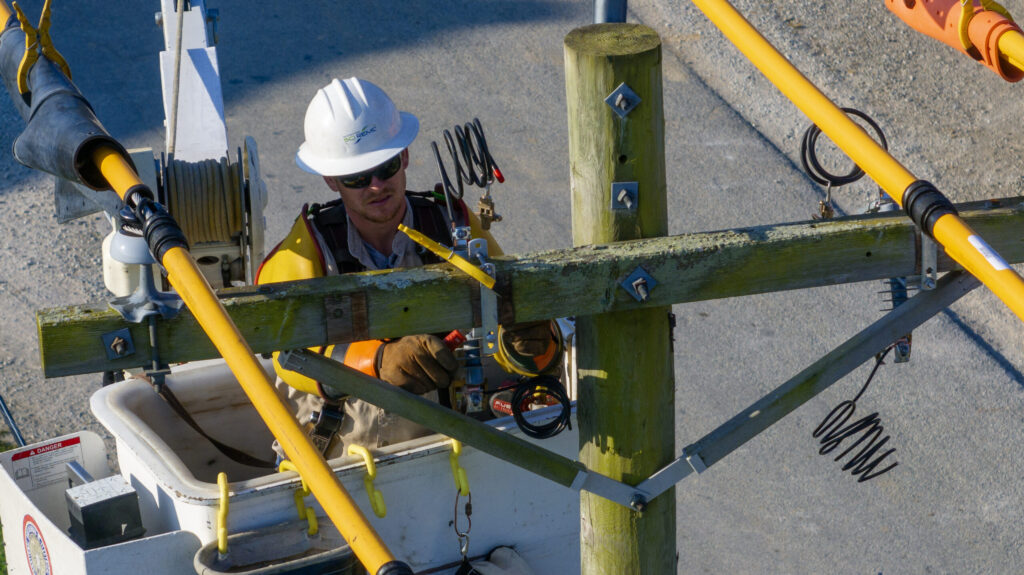
Your electrical panel connects to the grid and, without a transfer switch, a generator can send power backward through power lines. Lineworkers may think the lines are off, but backfeeding actually powers the line and can electrocute anything touching it.
Fire and Equipment Damage Risks
Backfeeding can overload your system, causing fires or appliance damage. When power is restored, colliding currents from the grid and your generator may cause a surge, destroying the generator or causing an explosion.
Only plug appliances into portable generators.