Outdoor projects such as landscaping, fence installation, tree planting, and mailbox replacement can improve your property. They can also create serious safety risks if utility lines are not properly identified first. Before starting any project that involves digging, homeowners should think about utility safety both below and above ground.
Before starting any digging project, homeowners should contact Indiana 811 online or by dialing 811 to have public underground utility lines marked. Underground utility lines may be closer to the surface than expected, making it important to locate them before digging begins.
Striking an underground utility line can cause injuries, outages, expensive repairs, or service disruptions for your neighborhood.
Submitting a request through Indiana 811 before starting a project is free, easy, and helps protect homeowners and utility infrastructure. Even small outdoor projects can become dangerous if underground utilities are not properly identified first.
Indiana law requires contacting Indiana 811 at least two full working days before excavation begins, excluding weekends and holidays. After a request is submitted, utility operators will mark the approximate location of underground lines using paint or flags.
Indiana 811 marks public utility lines leading to the utility meter. Private utility lines, such as those connected to outdoor lighting, irrigation systems, detached garages, or fire pits, may not be marked and could require a private locator.
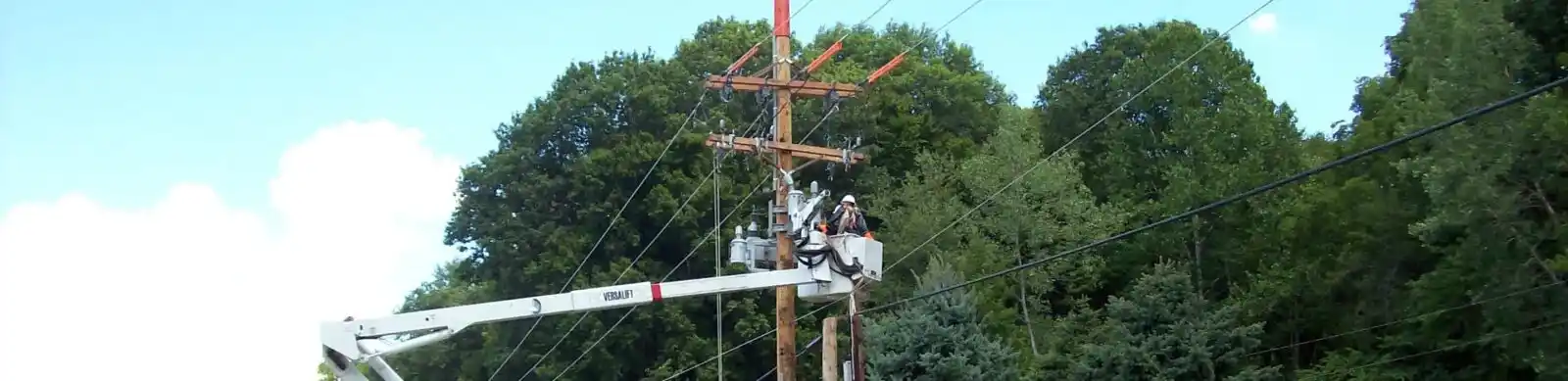
Homeowners should also look above ground before beginning outdoor projects. Ladders, long-handled tools, tree limbs, and other materials can come dangerously close to overhead power lines.
Trees and landscaping should never be planted too close to overhead power lines or utility poles. Trees growing into power lines are one of the leading causes of outages during storms and high winds. Branches contacting power lines can interrupt electric service and create dangerous conditions. When planning landscaping projects, homeowners should also keep pad-mounted transformers and other utility equipment clear and accessible for utility crews. Shrubs, fencing, mulch, and decorative landscaping should not block access to electrical equipment.
Taking a few extra steps before starting a project can help protect your family, property, and electric service.
Sources: Indiana 811
Five steps to safe digging
Once utilities are marked, use caution when digging near underground lines. Indiana 811 marks only public utility lines. Private lines may require hiring a private locator. Source: Indiana811.org
Plan your project: Before contacting Indiana 811, know where you plan to dig and the scope of your project.
White-line the area: Consider outlining your planned digging area with white paint, chalk, or flags before locators arrive.
Contact Indiana 811: Submit a request online or dial 811 before starting any digging project. Online requests are the fastest option.
Wait for utility markings: Indiana law requires contacting Indiana 811 at least two full working days before excavation begins, excluding weekends and holidays.
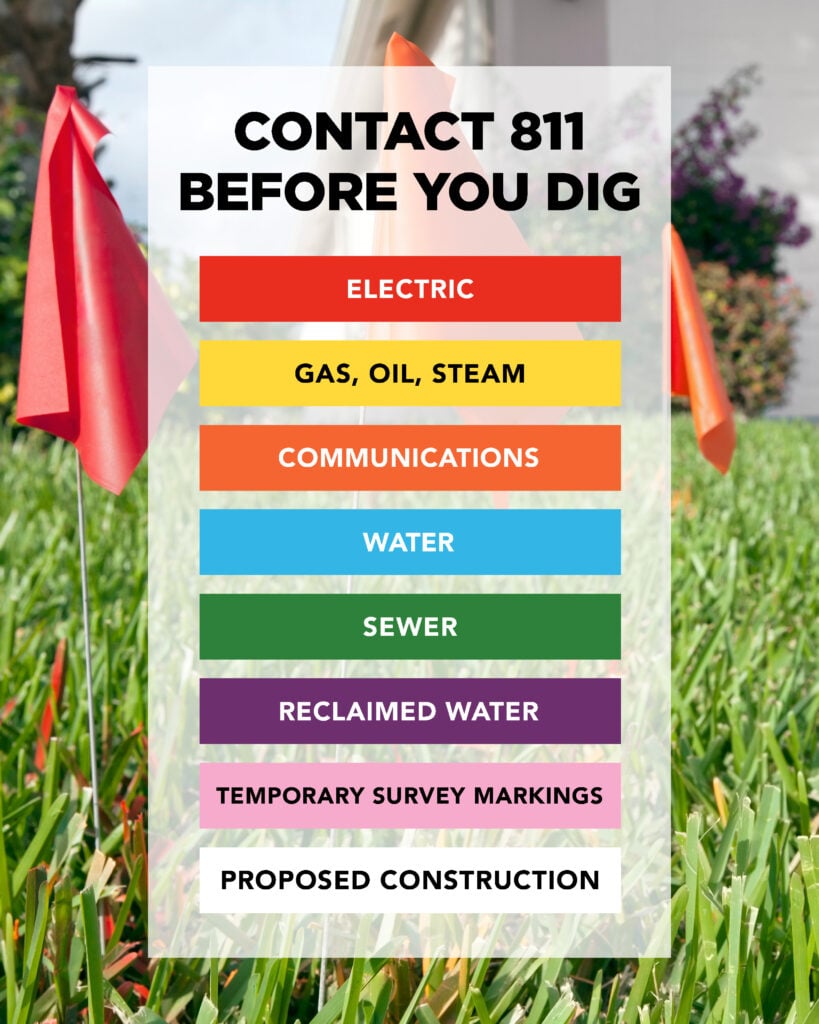
Check the markings: Utility lines are marked with color-coded paint or flags.
Red — Electric Yellow — Gas, oil, steam Orange — Communications Blue — Water Green — Sewer Purple — Reclaimed water White — Proposed excavation
Once utilities are marked, use caution when digging near underground lines. Indiana 811 marks only public utility lines. Private lines may require hiring a private locator.